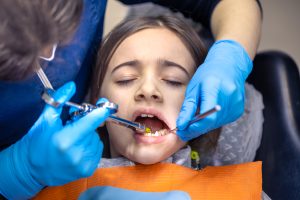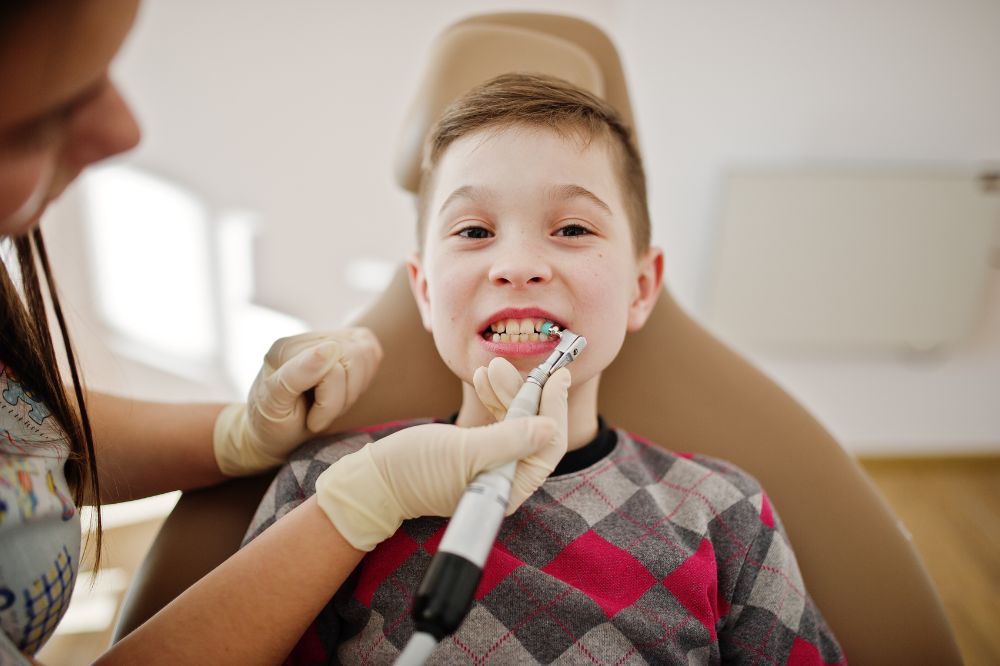
As a parent, you want the best for your child, and a healthy, straight smile is a great start. Braces aren’t just for teens; treatment can begin much earlier.
Choosing early interceptive treatment near you allows a specialist to check your child’s jaw growth and tooth development while they are still growing.
By spotting concerns around age seven, dentists can guide jaw growth and make room for permanent teeth.
This early care supports not just a better-looking smile, but long-term oral health and comfort.
Understanding Phase One of Orthodontics
Many parents are curious about the technical definition of this care. What is early interceptive treatment exactly? Also known as Phase One orthodontics, this specialized care begins while a child still has a mix of primary and permanent teeth.
The goal is not necessarily to straighten every tooth perfectly yet, but to address the underlying structural issues that would make future treatment much more difficult or invasive.
- Growth Guidance – It utilizes the natural growth spurts of childhood to expand the jaw or shift its position.
- Space Management – It ensures there is enough room for incoming adult teeth, reducing the need for later tooth extractions.
- Functional Correction – It fixes how the upper and lower teeth meet, improving chewing and speech.
Common Structural Issues Addressed Early
Seeking early interceptive treatment is particularly helpful for children who show signs of significant crowding or bite misalignment.
When caught during the “mixed dentition” stage, these issues are often much easier to manage.
- Crossbites: When the upper teeth sit inside the lower teeth, it can cause the jaw to grow lopsided.
- Severe Overbites: Teeth that protrude too far are at a higher risk of being chipped or broken during play.
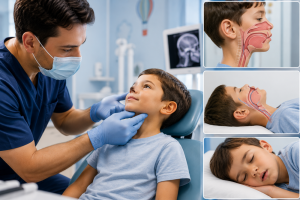
- Narrow Palates: If the upper jaw is too small, it can lead to breathing issues or impacted teeth that get stuck in the bone.
Correcting these while the jaw is still “soft” and growing yields a more stable, natural result as the child matures.
What Conditions Can This Approach Avoid?
Understanding what problems early interceptive prevents is key for parents deciding on the best timing for care. By acting early, you can prevent minor issues from becoming major, expensive complications during the teenage years.
- Impacted Teeth: By creating space, we can guide adult teeth into the proper position so they don’t become impacted in the gums.
- Speech Impediments: Many “lisps” or whistling sounds are caused by the position of the front teeth and can be corrected with early alignment.
- Asymmetrical Facial Growth: If a bite is off, the muscles and bones can develop unevenly, changing the child’s facial appearance.
- Excessive Tooth Wear: Improper bites cause teeth to grind against each other, leading to flattened enamel and sensitivity.
The Long-Term Advantages for Your Child
The benefits of early interceptive treatment extend far beyond a straight row of teeth. This stage of care is designed to make Phase Two (full braces) much faster and simpler.
- Less Invasive Care: It often eliminates the need for future permanent tooth extractions or painful jaw surgeries.
- Better Results: Teeth moved while the bone is growing tend to stay in their new positions more reliably.
- Boosted Confidence: Children often feel better about their appearance during their formative elementary school years.
- Improved Hygiene: Teeth that are properly spaced are much easier to brush and floss, reducing the risk of childhood cavities.
Collaborating with Your Pediatric Specialist
A kids dentist near you is usually the first person to notice that a child’s jaw isn’t growing quite right.
They act as the “scout” for your child’s oral health, referring you to a specialist at the optimal time, usually around the age of seven. This teamwork ensures that no window of opportunity for growth guidance is missed.
During these early visits, the focus is on monitoring. Not every child who has a consultation will need immediate braces.
In many cases, the specialist will monitor the child’s development every six months, waiting for the perfect moment to intervene. This careful observation takes the guesswork out of your child’s dental future.
Finding the Right Specialist Locally
Choosing an experienced orthodontist in Glendale ensures your child is in a kid-friendly environment designed for comfort.
Modern interceptive tools are much more comfortable than they used to be, often involving simple expanders or partial braces that children adapt to very quickly.
- Digital Imaging: High-tech scans show exactly how the adult teeth are positioned under the surface.
- Customized Expanders: These gentle devices widen the upper jaw over several months to fix a narrow bite.
- Space Maintainers: These prevent teeth from shifting into gaps left by baby teeth that fall out too early.
By staying close to home for these appointments, you make the process easy on your family’s schedule while giving your child the best possible start for their smile.
Give Your Child the Gift of a Healthy Smile
Investing in your child’s dental development early is one of the most innovative ways to ensure they grow up with a healthy, functional, and beautiful smile.
By guiding their growth now, you are saving them from more difficult procedures later and helping them build confidence that will last a lifetime. A proactive approach is always easier than a reactive one when it comes to jaw health.
At The Tickled Tooth, we are committed to providing gentle, expert care tailored to the unique needs of growing smiles.
We look forward to partnering with you on your child’s journey. Contact us today to schedule your consultation.
Getting here is simple — just follow us on Google Maps for the best route. 📍
Frequently Asked Questions
Does early treatment mean my child won’t need braces as a teen?
Usually, a second phase of braces is still necessary to fine-tune the position of all permanent teeth, but it is often much shorter and less complicated.
How can I tell if my child needs an early evaluation?
Signs such as early or late loss of baby teeth, mouth breathing, thumb sucking, or misaligned teeth are indicators that you should see a specialist.
Is Phase One treatment painful for young children?
The appliances are designed for comfort; while there may be some “tightness” for a day or two after an adjustment, most kids adapt within a few days.
What is the best age for the first orthodontic visit?
The American Association of Orthodontists recommends a first checkup by age 7, as this is when the first permanent molars and incisors have usually erupted.