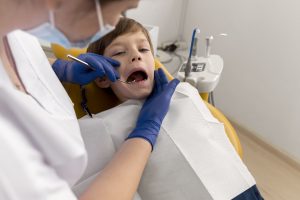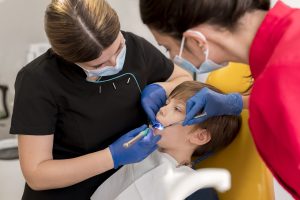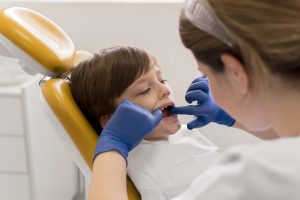
Baby teeth are important even though they eventually fall out. If your child has a badly decayed baby tooth, your dentist might recommend pulp therapy. This procedure is similar to what adults call a root canal. If you are looking for a baby root canal near you to help your child, this guide explains what pulp therapy is and when children need it. Understanding this treatment helps you make the best decision for your child’s health.
What Is Pulp Therapy?
Pulp therapy is a procedure to save a badly infected baby tooth. Inside every tooth is a space called the pulp chamber. This contains nerves and blood vessels that keep the tooth alive.
When decay reaches the pulp, the tooth becomes infected. If left untreated, the infection spreads, and the tooth dies. Your child experiences pain.
Pulp therapy removes the infected pulp to save the tooth. The tooth is cleaned, treated with medicine, and sealed. This stops the pain and saves the tooth until it naturally falls out.
Baby root canal in Glendale is another name for this same procedure. It works just like an adult root canal but is designed for children’s baby teeth.
Signs Your Child Might Need Pulp Therapy
Several signs indicate your child might need treatment.
- Your child complains of tooth pain. The pain is severe or constant. It does not go away with pain medicine.
- Your child has swelling in the gums or face near the problem tooth. Swelling indicates infection.
- Your child’s tooth looks dark or discoloured. This shows decay has reached deep into the tooth.
- Your child has a pimple-like bump on their gums near the tooth. This is a sign of infection.
Why Baby Teeth Matter
Baby teeth are not just temporary. They hold space for permanent teeth to come in correctly. If a baby tooth is lost too early, adult teeth can shift into the wrong positions.
Saving a baby tooth with pulp therapy is better than losing it. Your child’s permanent teeth come in straight and healthy.
The Pulp Therapy Procedure
At a pediatric dentistry clinic in Glendale, the procedure is specially designed for children.
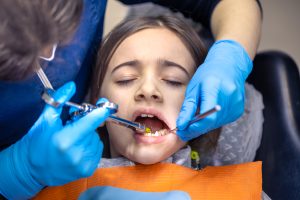
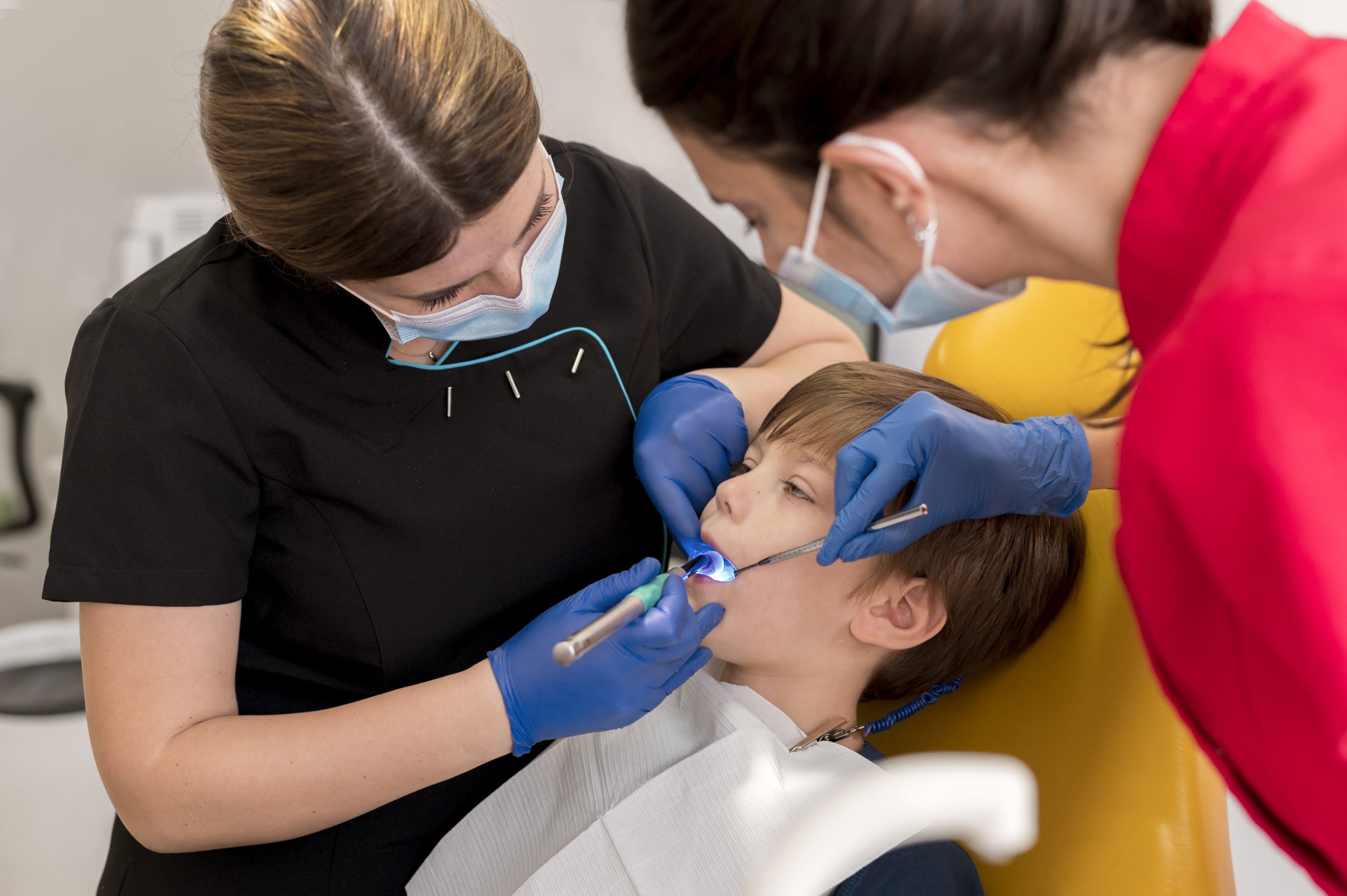
- Your dentist numbs your child’s tooth with a local anesthetic. Your child feels no pain during the procedure.
- Your dentist creates a small opening in the top of the tooth to access the pulp chamber. They gently remove the infected pulp using special instruments.
- Your dentist cleans the space thoroughly and places medication to ensure all infection is gone. Then they fill the space with special material that is safe for children.
- Finally, your dentist seals the tooth with a restoration like a filling or crown. This protects the tooth and allows it to function normally.
Recovery After Pulp Therapy
Recovery is quick and simple for children.
- Your child might feel slight soreness for a day or two. This is normal, and pain medicine helps.
- Your child can return to school and normal activities the next day. There are no restrictions.
- Your child eats soft foods for a few days while the tooth heals. Then they can return to normal eating.
Why Saving the Tooth Matters
Saving a baby tooth with pulp therapy prevents many problems.
Your child keeps their natural tooth. They do not experience tooth loss and the emotional stress that comes with it.
Their permanent teeth come in properly aligned. There is no need for orthodontic treatment later.
Your child avoids the cost and complexity of replacing a lost tooth.
Frequently Asked Questions
Q1. Is pulp therapy painful for children?
No — your child’s tooth is numbed before the procedure. They feel no pain during treatment, just slight pressure.
Q2. How long does pulp therapy take?
Most procedures take 30 to 60 minutes, depending on how infected the tooth is.
Q3. Will the baby tooth fall out naturally after pulp therapy?
Yes, the baby tooth will eventually fall out as your child grows. The pulp therapy allows this to happen on schedule.
Q4. What happens if we do not do pulp therapy?
Without treatment, the infection spreads. Your child experiences pain. The tooth eventually dies and must be extracted.
Q5. Does the permanent tooth come in normally after pulp therapy?
Yes — treating the baby tooth saves space for the permanent tooth. Your permanent tooth comes in properly when ready.
When Your Child Needs Help
If your child has tooth pain or shows signs of infection, do not wait. Contact a kids dentist near you right away.
At The Tickled Tooth, our compassionate team specializes in treating children with gentle care. We make your child feel safe and comfortable. We save teeth whenever possible. Book your child’s appointment with us today and give your child the dental care they deserve.