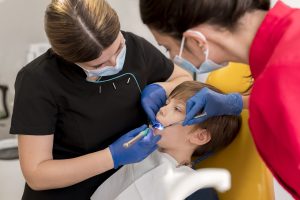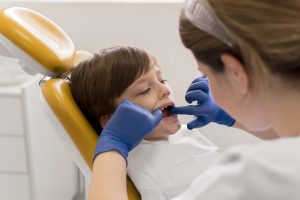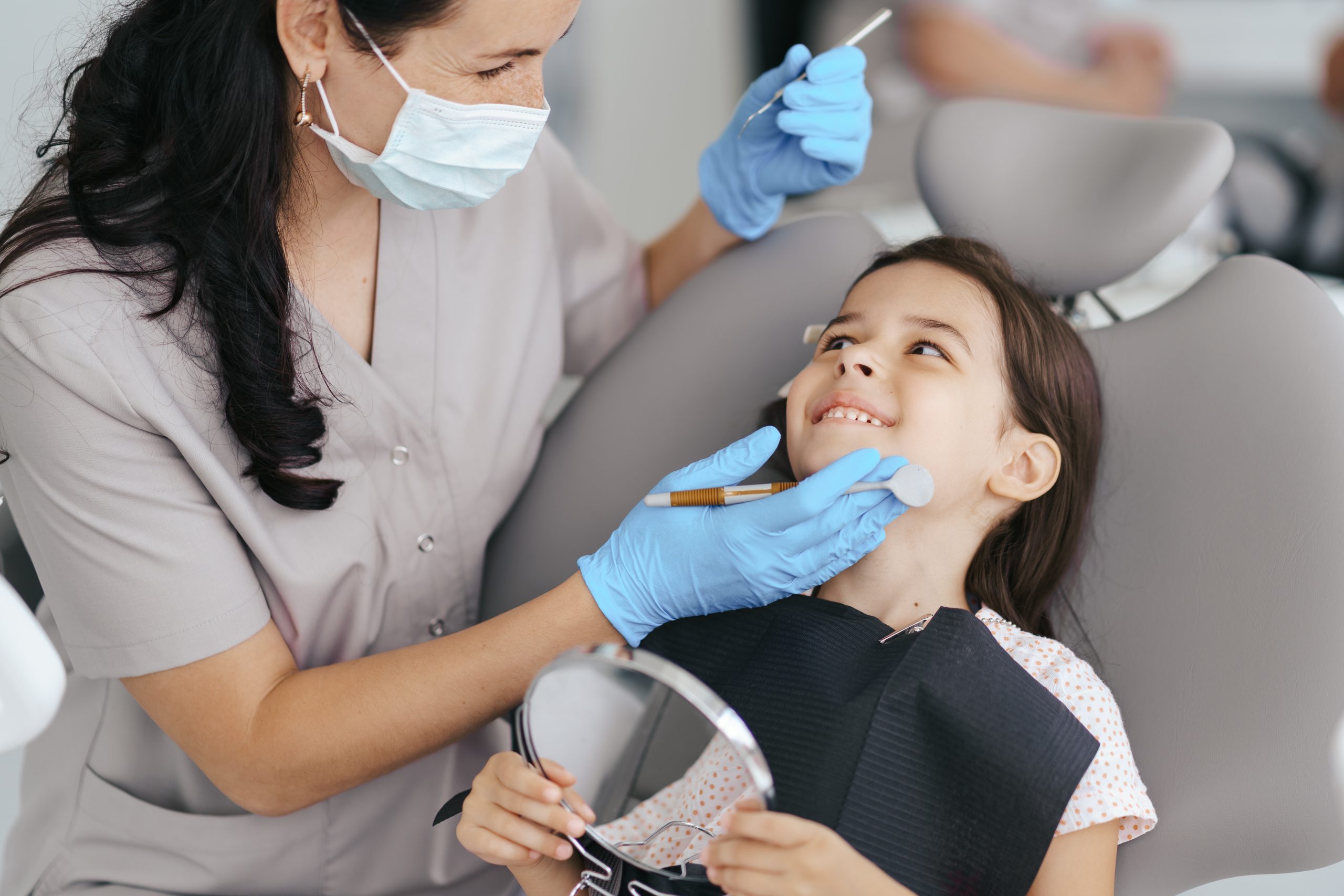
Baby teeth do more than help children chew and speak. They also hold space for the permanent teeth that will grow later. When a baby tooth is lost too early due to decay, injury, or another dental problem, nearby teeth may move into the open space. This can leave less room for the adult tooth to come in properly. Space maintainers for kids in Glendale are small dental devices that help keep this space open until the permanent tooth is ready to appear.
A kids’ dentist in Glendale can check the gap and decide whether a space maintainer may help. Not every early lost baby tooth needs one, so the decision depends on the child’s age, the tooth that is missing, and the stage of dental growth.
What Is a Space Maintainer?
A space maintainer is a dental device that holds the space left by a missing baby tooth open. It helps prevent nearby teeth from shifting into that space before the permanent tooth comes through.
Space maintainers may be fixed in place or removable. The right type depends on the child’s dental needs and ability to follow care instructions.
A space maintainer does not replace the missing tooth. Its purpose is to protect the space needed for the adult tooth to grow into the right position.
Why Might a Child Need One?
Baby teeth usually fall out naturally when permanent teeth are ready to come through. However, early tooth loss can affect how the remaining teeth line up.
A space maintainer may be recommended when:
- A baby tooth is removed because of severe decay.
- An injury causes a baby tooth to fall out too early.
- A missing tooth leaves a gap at risk of becoming smaller.
- The permanent tooth is not expected to come through soon.
- The position of nearby teeth could affect the space needed for the adult tooth.
A pediatric dentist near you can examine the child’s teeth and may use dental X-rays to check the position and development of the permanent tooth. This helps determine whether holding the space open is necessary.
What Types of Space Maintainers Are Available?
The design depends on the location of the missing tooth, the child’s age, and the number of teeth that need support.
Common types include:
- Fixed space maintainers: Attached to nearby teeth and left in place until the dentist decides they are no longer needed.
- Removable space maintainers: Made to be taken out for cleaning, but suitable only for children who can wear and care for them as directed.
Some fixed designs use a small metal band around a tooth with a wire that holds the gap open. Other designs may be used when more than one tooth is missing.
Space maintainers for kids near you can be discussed during a dental examination to understand which design may suit the child. The device must fit properly and be checked regularly as the mouth grows.
How Is a Space Maintainer Fitted?
Fitting a space maintainer usually starts with an examination of the teeth and gums. Dental X-rays may be needed to check the permanent tooth beneath the gums and confirm whether the device is appropriate.
For many fixed types, the dentist prepares the tooth that will hold the device and takes measurements or makes a mould of the teeth. Then, the dentist places the device. Some devices can be placed during the first visit, while others may require another visit.
A kids’ dentist in Glendale will check that the device fits well and does not affect how your child bites. Follow-up visits help make sure the device stays in place and keeps the space open for the new tooth.
How Can Children Care for a Space Maintainer?
Good daily care helps prevent problems around the device. Children should continue brushing and cleaning between their teeth, paying close attention to the area around the space maintainer.
Helpful habits include:
- Brush your teeth twice a day with fluoride toothpaste.
- Avoid hard or sticky foods that can damage or loosen the device.
- Do not touch, push, or pull the device with your fingers or tongue.
- Tell a parent or caregiver if the device feels loose, breaks, or causes discomfort.
- Attend scheduled dental checkups.
Space maintainers for kids in Glendale need regular monitoring because children’s mouths change as they grow. The dentist will decide when to remove the device, often when the permanent tooth is ready to come through.
Support Your Child’s Growing Smile!
Healthy dental development starts with the right care at the right time. The Tickled Tooth can help you understand your child’s needs and explore suitable options to protect the space for permanent teeth. Contact the team today to discuss your child’s dental health and book your appointment.
FAQs
Can a space maintainer hurt?
A child may feel some pressure or discomfort when they first get a space maintainer. If the pain continues, sores appear, or chewing becomes hard, contact the dentist.
Can a child eat normally with a space maintainer?
Yes, most children can eat a variety of foods as usual. However, they should avoid hard and sticky foods because these can damage or loosen the device. Follow the dentist’s advice about what your child can eat.
How long does a child need to wear one?
The length of time varies. The device stays in place until the dentist determines that the permanent tooth is ready or the space no longer needs to be held.
What happens if a space maintainer becomes loose?
Contact the dental team for advice and repair. Do not try to bend or fix the device at home, as this could damage the teeth or gums.