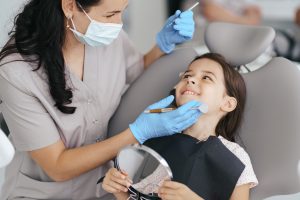
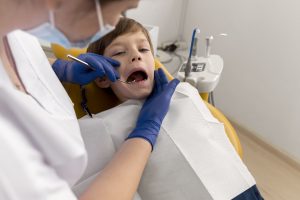
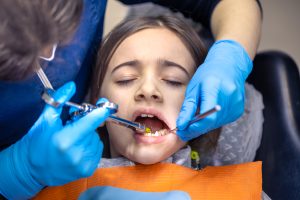
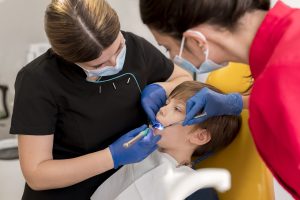
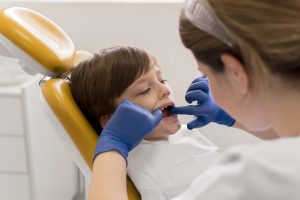
Early interceptive orthodontics is a preventive approach to the treatment of dental and jaw issues in children before they become significant. This type of treatment addresses guiding proper jaw development and tooth alignment early in life, such that in the future, there is a healthier and more functional smile.
Why Start Early With Orthodontics?
The primary reason to have orthodontic treatment early on is to avoid severe problems later in life. If overcrowding, overbite, or misaligned jaws are treated early on, it is simpler to address them and less probable that they will need expensive, drastic procedures in the future. At a consultation with an orthodontist in Glendale, your child’s teeth and jaw development will be assessed to evaluate if early treatment is needed.
What Makes Interceptive Orthodontics Different?
Interceptive orthodontics is about directing the development of the jaws and teeth during the child’s early years instead of waiting and withholding until all the permanent teeth come in. Your Orthodontist near you in Glendale will examine your child’s bite, spacing, and jaw relationship to determine whether partial braces, spacers, or expanders would be necessary.
These initial treatments can prevent future extractions or surgery by providing sufficient space for permanent teeth and creating early patterns of growth.
What Are the Key Benefits of Early Orthodontic Intervention in Kids?
Parents tend to question why early care is necessary. Below are some key benefits of early orthodontic treatment for children:
- Helps in the guidance of jaw growth for a balanced facial structure.
- Helps provide appropriate space for the eruption of permanent teeth.
- Reduces the likelihood of trauma to front protruding teeth.
- Improves speech and biting function so that daily life becomes simpler.
- Limits complex treatments like extractions or surgery in the future.
Early care is usually the best means of maintaining long-term oral health and self-confidence in your child’s smile.
How Do Interceptive Orthodontic Techniques Work?
There are several ways of doing early orthodontic treatment. The following interceptive orthodontic techniques are explained below in detail:
- Palatal Expanders: Open up the top jaw to create space.
- Space Maintainers: Hold space for the permanent tooth when a baby tooth comes out too soon.
- Partial Braces: Straighten some of the teeth to guide growth.
- Functional Appliances: Correct the jaw position and bite problems.
These tools help in preventing severe misalignment with interceptive orthodontics, ensuring your child’s dental development stays on track.
How Does Early Treatment Affect Jaw Growth?
A major advantage of starting early is how it influences jaw development. When guided properly, the jaw can grow into its ideal position, reducing crowding and alignment problems. If you’re consulting a dentist near you, they will likely check your child’s jaw and bite before age 7 to identify any growth issues.
Correcting these problems early often means avoiding painful and expensive procedures during teenage years.
What Are the Signs a Child Needs Early Braces or Aligners?
Parents can seek these symptoms in a child who needs early braces or aligners:
- Trouble biting or chewing food.
- Early or late loss of the front teeth.
- Spaced or crowded teeth.
- Thumb sucking after age 5.
- Speech problems due to crooked teeth.
If you see these symptoms, schedule an appointment soon to see if early orthodontic treatment is suitable for your child.
Shape a Confident Future with Early Orthodontic Care!
Early orthodontic treatment can be a real game-changer for your child’s oral health and confidence. Catching problems early on, you can prevent them from having to endure painful and expensive treatments later on. Want to gift your child with a smile for years to come? Call The Tickled Tooth today and let our experts assist you in the ideal early orthodontic care for your child.
FAQs
- What is the ideal age for early orthodontic treatment?
The American Association of Orthodontists suggests a first visit at age 7, when permanent teeth start to erupt.
- Does early treatment mean my child will never need braces later?
Not necessarily. It can shorten and make future treatment simpler, but some children may still require braces to make finishing touches.
- Are interceptive treatments painful?
They may be uncomfortable at first, but most children easily adjust to appliances such as expanders or braces.
- How long is early orthodontic treatment going to take?
Most of the interceptive treatments take 6–12 months, but it depends on the case.
- Is early orthodontic treatment costly?
It may be a cost, but fixing problems early saves thousands in the long run in repair work.