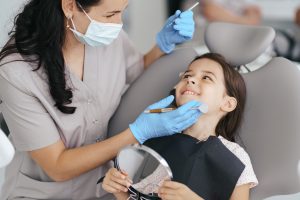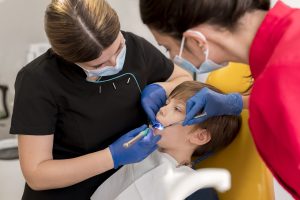
A bright, radiant smile often provides a significant boost to self-confidence. Whether preparing for a graduation, a wedding, or simply wanting to refresh one’s appearance, understanding the timeline of dental treatments is essential. People frequently ask how long do teeth whitening results last? because everyone wants a glowing look to remain as long as possible. The answer depends heavily on daily habits, the type of treatment chosen, and the natural porousness of a person’s enamel.
Understanding the Brightening Process
Before diving into the timeline, it helps to understand how teeth whitening works at a chemical level. Professional gels contain active ingredients like hydrogen peroxide or carbamide peroxide. These molecules travel into the tiny pores of the enamel to break apart stains caused by food, drinks, or aging. A pediatric dentist near you might even discuss these options with older teenagers who have completed orthodontic treatment and want to celebrate a straight smile with a brighter shade.
What to Expect from Treatment Longevity
The length of time that a brilliant smile lasts varies significantly from person to person. Professional teeth whitening near you can typically maintain teeth’s brightness for six months to three years. Within a few months, stains may start to reappear if they are not adequately cleaned. However, compared to over-the-counter toothpastes or strips, effects last significantly longer when a patient adheres to a rigorous maintenance regimen.
Factors That Shorten Your Results
External elements play a huge role in how quickly a smile loses its luster. Enamel acts like a sponge, soaking up pigments from the foods placed in the mouth. Avoiding specific triggers can help extend the life of teeth whitening:
- Dark Drinks: Coffee, black tea, and red wine have strong colors that can stick to the white part of your teeth and leave stains.
- Sour Foods: Fruits like lemons and oranges, as well as sodas, can soften the outer layer of your teeth. This makes it easier for new stains to sink in and stay.
- Tobacco Use: Nicotine and tar create stubborn yellow or brown discolorations that are very difficult to remove with brushing alone.
- Poor Hygiene: Skipping flossing allows plaque to build up, trapping food particles and making the teeth appear dull.
Professional vs. At-Home Options
Many people wonder if professional teeth whitening is better than the cheaper kits you can buy at a store. While store-bought options are easy to find, they are often not strong enough to keep your teeth white for long. A dentist provides trays made specifically for your mouth and stronger gels that go deeper into the tooth to remove stains. This professional method ensures your smile looks even and keeps your gums from irritation, making it a much better choice if you want the brightest results.
How to Maintain a Bright Smile
Preserving a pearly white appearance requires a proactive strategy. By making small changes to a daily routine, the frequency of “touch-up” treatments can be reduced.
- The Straw Method: When drinking iced coffee or tea, using a straw helps the liquid bypass the front teeth entirely.
- Rinse After Eating: Swishing with plain water after consuming berries or soy sauce helps neutralize acids and wash away loose pigments.
- White Food Diet: For the first 48 hours after a treatment, stick to light-colored foods like pasta, chicken, and rice to prevent “rebound” staining.
- Regular Cleanings: Visiting a pediatric dentistry in Glendale for a professional cleaning every six months removes surface stains that a regular toothbrush cannot handle.
The Role of Oral Health in Vibrancy
Healthy teeth stay white longer than neglected ones. When enamel is firm and smooth, stains have a harder time sticking to the surface. Using fluoride toothpaste strengthens the outer layer of the tooth, while regular flossing keeps the edges between teeth looking crisp and bright. A pediatric dentist can monitor the health of the enamel to ensure whitening is done safely without causing permanent sensitivity.
Is It Time for a Refresh?
While the initial results are impressive, every smile eventually needs a little boost. Most patients find that a quick “touch-up” once a year is enough to maintain their favorite shade. Because professional methods are so effective, these maintenance sessions are usually much shorter than the original appointment. Choosing high-quality teeth whitening in Glendale ensures that every session moves the smile toward a healthy, natural-looking brilliance.
Elevate Your Smile Confidence
It should be pleasurable and straightforward to maintain your smile, which is a distinctive aspect of who you are. Our staff at The Tickled Tooth is committed to providing each patient with polite, efficient care so they can be proud to display their teeth. We support individualized treatments that preserve your enamel health while giving you the radiant appearance you want.
Frequently Asked Questions
How does teeth whitening work?
A specific gel that releases oxygen molecules is applied throughout the procedure. By penetrating the enamel and disrupting the chemical bonds of dark stains, these molecules remove discoloration without harming the tooth’s structure.
How long do the effects of teeth whitening last?
Typically, results remain visible for one to three years. The exact timeframe depends on how often a person consumes staining substances like coffee or tobacco and how well they maintain their oral hygiene.
Is professional teeth whitening worth it?
Yes, because a dentist uses more potent formulas and custom tools that deliver a more uniform, long-lasting result. It also ensures the procedure is safe for the nerves and gums, which is often a concern with generic home kits.
What is the best age for pediatric dentistry to offer whitening?
Most experts suggest waiting until a teenager has all their adult teeth and the outside of the teeth is strong and ready. Usually, this happens between ages 14 and 16. Talking with a pediatric dentist is the right way to find out if a young person is ready for this treatment.